

Intraocular Lens (IOL) Surgery in Nanded – Motewar Netralaya
Clear vision is something many of us take for granted—until everyday activities like reading, driving, or recognizing faces start becoming difficult. Cataracts are one of the most common reasons for blurred vision, especially as we age. Fortunately, modern eye care offers a highly effective solution. Intraocular Lens (IOL) Surgery in Nanded at Motewar Netralaya is designed to restore clarity, improve quality of life, and help you see the world with renewed confidence.
With advanced technology, skilled care, and a patient-first approach, this procedure provides long-lasting results for individuals struggling with cataracts or vision impairment.
What Are Intraocular Lenses (IOLs)?
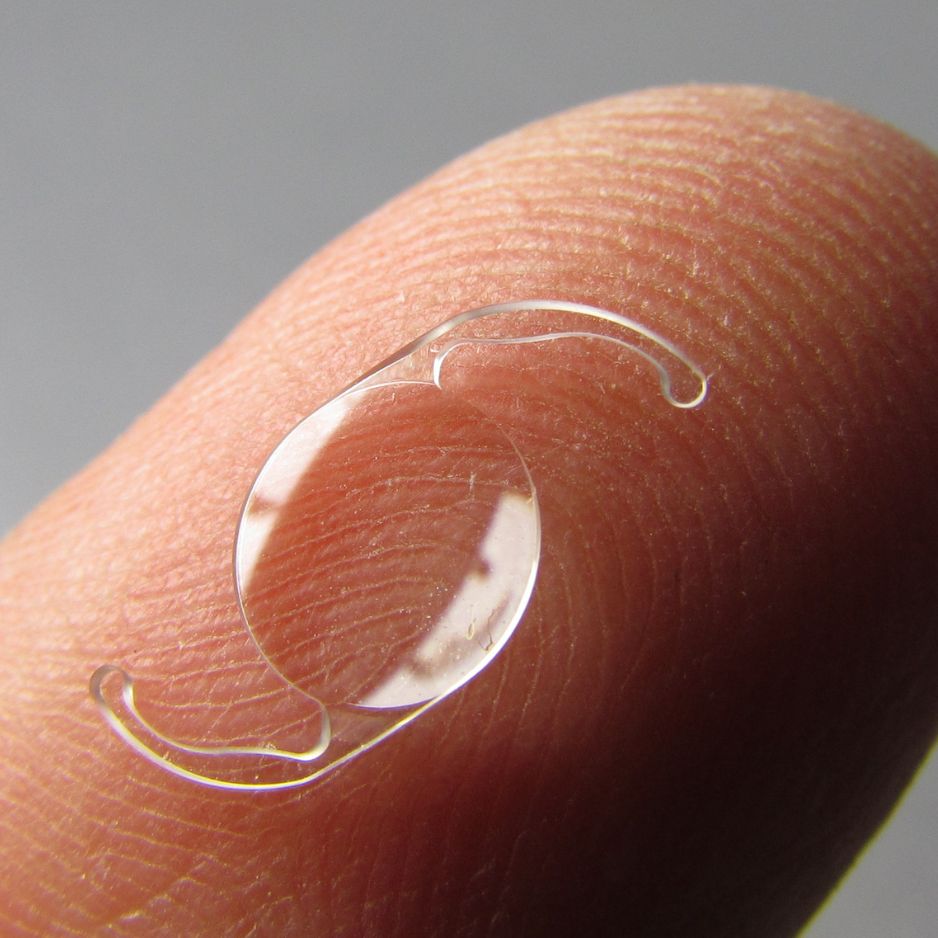
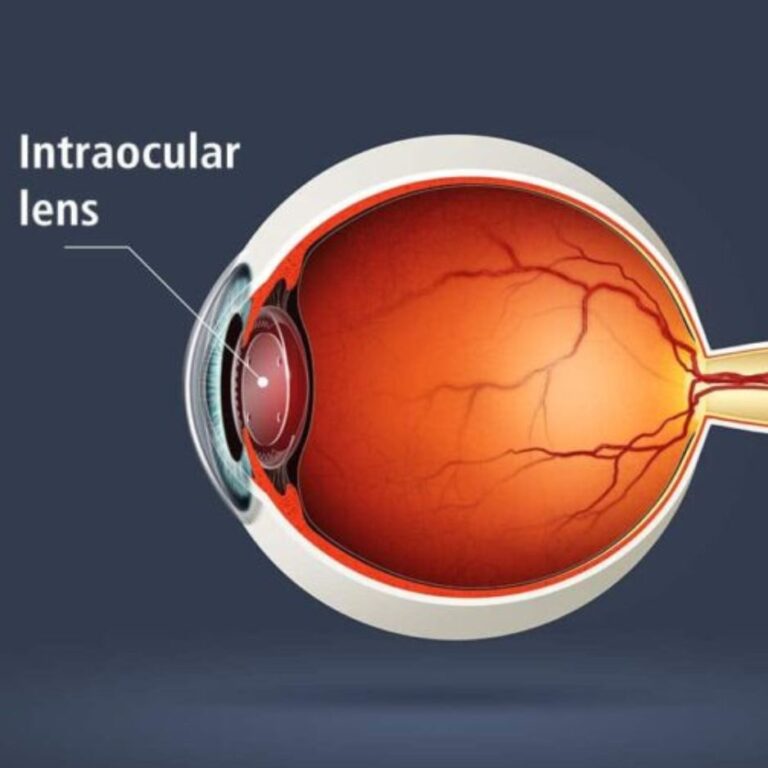
Intraocular Lens (IOL) surgery is a safe and commonly performed procedure used to treat cataracts. During the surgery, the cloudy natural lens of the eye is removed and replaced with a clear artificial lens known as an intraocular lens.
The IOL functions just like your natural lens, focusing light onto the retina so you can see clearly again. Modern lenses are designed to correct vision problems such as nearsightedness, farsightedness, and even astigmatism—often reducing the need for glasses.
At Motewar Netralaya, every procedure is carefully planned and performed by an experienced cataract surgeon who prioritizes precision, comfort, and excellent visual outcomes.
Who Needs This Service?
You may benefit from IOL surgery if cataracts are interfering with your daily life. While cataracts develop gradually, early treatment can prevent further vision decline.
Common signs you should not ignore include:
- Blurred or cloudy vision
- Difficulty seeing at night
- Sensitivity to light or glare
- Colors appearing faded or yellowish
- Frequent changes in eyeglass prescription
- Double vision in one eye
If you notice any of these symptoms, scheduling an eye evaluation in Nanded can help detect the issue early and determine the best treatment.
Benefits of Intraocular Lens (IOL) Surgery
Choosing IOL surgery offers more than just cataract removal—it provides a chance to regain visual independence.
Key advantages include:
- Sharper Vision: Restores clarity and improves overall eyesight
- Quick Procedure: Typically completed within 15–30 minutes
- Minimal Discomfort: Performed under local anesthesia
- Fast Recovery: Most patients resume normal activities within days
- Long-Lasting Results: Artificial lenses are durable and rarely need replacement
- Reduced Dependence on Glasses: Advanced lens options may correct multiple vision issues
- Improved Quality of Life:Enjoy reading, traveling, and daily tasks without visual strain
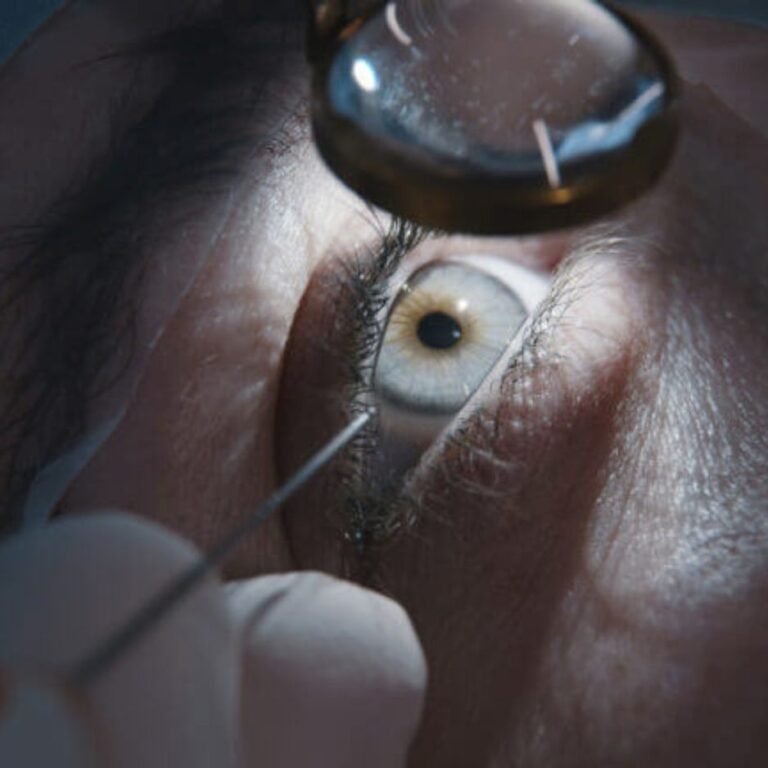
Procedure: How IOL Surgery Works
Understanding the process can help ease anxiety and prepare you for a smooth experience
- 1. Comprehensive Eye Examination
Your journey begins with a detailed eye check-up. Measurements are taken to select the most suitable lens for your vision needs.
- 2. Personalized Treatment Planning
Your cataract surgeon discusses lens options, explains the procedure, and answers your questions so you feel confident moving forward.
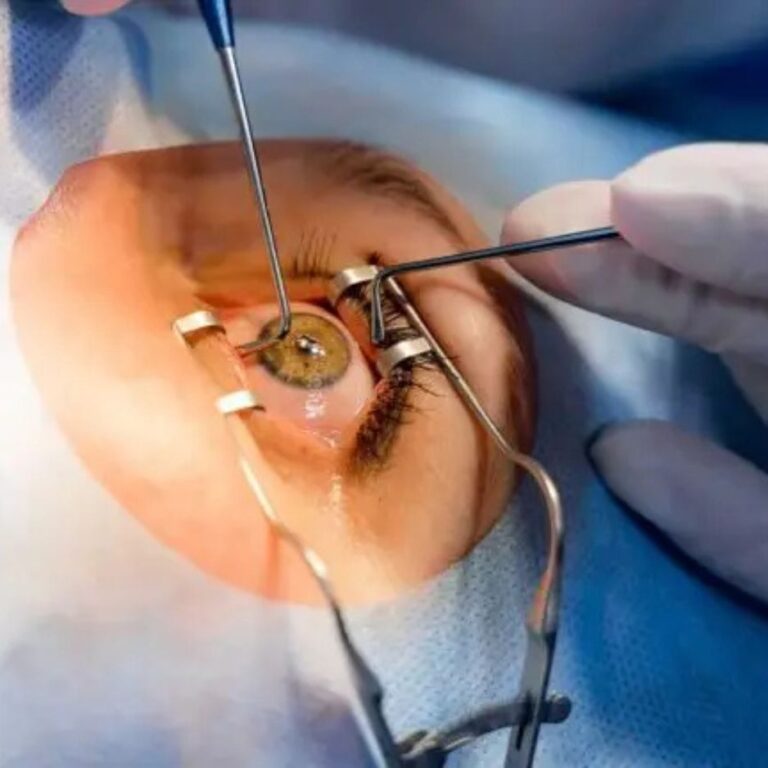
- 3. The Surgery
- Local anesthesia is used to numb the eye.
- A tiny incision is made.
- The cloudy lens is gently removed using advanced techniques.
- The intraocular lens is inserted in its place.
The incision is so small that stitches are usually not required.
- 4. Short Observation Period
After surgery, you’ll rest briefly before heading home the same day with protective instructions.
Frequently Asked Questions
Yes, it is one of the safest and most frequently performed eye surgeries worldwide. When done by a qualified cataract surgeon, complications are rare.
The procedure typically takes about 15–30 minutes, and you can usually return home the same day.
It depends on the type of lens chosen. Many patients experience reduced dependence on glasses, while some may still need them for specific tasks like reading.
No. Local anesthesia keeps the eye numb, so you may feel slight pressure but no pain during the surgery.
Light activities can often be resumed within a few days, but your doctor will guide you on when to fully return to your routine.

Motewar Netralaya
Eye Services – That You Can Trust
Cataract and Premium Lens Implant
We offer advanced cataract removal using the latest phacoemulsification technology, ensuring maximum safety, precision, and effectiveness, along with premium lens implant options for enhanced vision quality.
Children’s Eye Check-up
Children should ideally have their eyes examined between the ages of 5 and 6. An eye check-up becomes essential if your child shows signs such as excessive watering, eye discharge, squint, or difficulty in reading.

Glaucoma Screening
Diabetic eye disease is one of the leading causes of blindness in India. Our centre is fully equipped to diagnose and treat all types of retinal conditions, offering advanced medical care and surgical solutions.
Comprehensive Eye Examination
Experience a fully computerized and automated eye check-up using the advanced TOPCON Phoropter—offering precision, accuracy, and the latest in cutting-edge vision testing technology.
Contact Motewar Netralaya
Get in touch with Motewar Netralaya for expert eye care and advanced laser treatments.